
 |
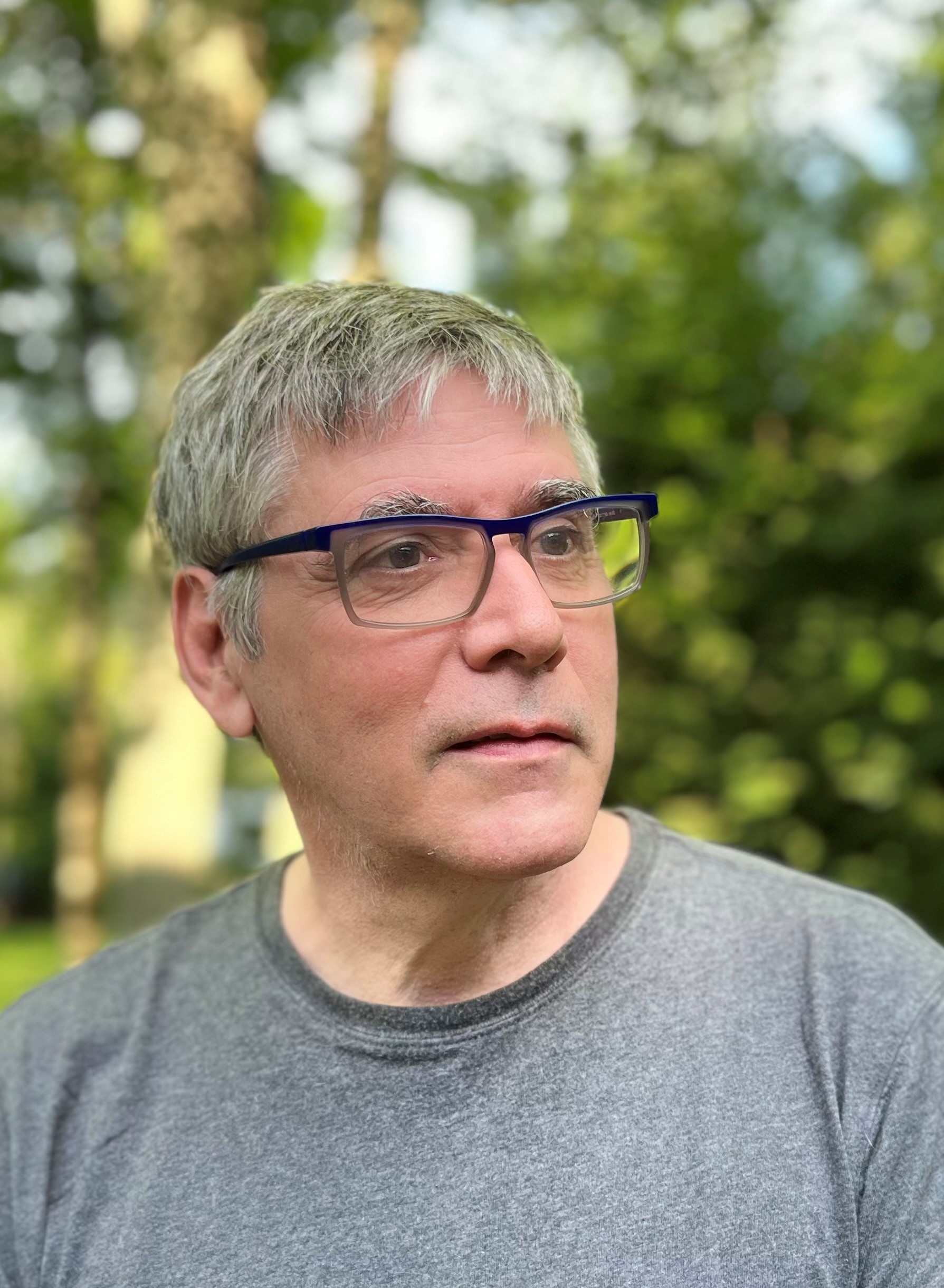
Jan Carmeliet
|
Porosity for cool cities: Turning down the heat
Urban heat stress is becoming one of the most pressing challenges facing cities worldwide, particularly during increasingly frequent and intense heatwaves. This keynote demonstrates how porous materials can play an essential role in cooling urban environments and reducing heat exposure for pedestrians. Both natural and engineered porous systems are considered, including trees that provide shading and cool the air through transpiration, porous pavements that are artificially wetted to promote evaporative cooling, textile shading sails that enable transpirative cooling through wicking, and vegetated systems such as green walls and green roofs.
Pedestrian heat exposure is analysed across contrasting climatic contexts—arid, continental, and tropical—using the Universal Thermal Climate Index (UTCI) as the comfort and heat-exposure metric. This enables a consistent assessment of thermal stress and the comparison of different mitigation strategies. In addition, a cooling efficiency indicator is developed and applied as a key metric for evaluating the efficacy of heat mitigation measures.
At the urban scale, simulations are performed using the urban microclimate model urbanMicroclimateFoam, developed by the Chair of Building Physics headed by the speaker. This suite of models is implemented in the OpenFOAM environment and solves for coupled air flow, heat and moisture transport in the urban air domain, heat and moisture storage, transport and evaporative cooling in porous urban materials. The model further accounts for shading and wind blocking, transpiration and transpirative cooling by trees and grass, shortwave radiation shading, and longwave radiative exchange between urban surfaces, vegetation, and the sky.
At the pore scale, evaporative cooling is investigated using Lattice Boltzmann modelling, enabling detailed analysis of drying rate, drying capacity, and cooling capacity under different environmental conditions. By linking pore-scale processes to urban-scale performance in a two-scale approach, the cooling efficiency of different porous solutions is compared, and both local and non-local effects—arising from heat and moisture transport by wind and buoyancy—are discussed.
The results show that porous materials offer strong potential for urban cooling, while also highlighting that additional solutions must be designed, optimized, and implemented to effectively address future heat challenges. The keynote concludes by reflecting on design and implementation pathways for urban heat mitigation, comparing scenario-based approaches, urban climate storylines, living labs, and design-by-clustering strategies as complementary methods for developing resilient and climate-adaptive cities.
About Jan Carmeliet
Professor Jan Carmeliet is full professor and Chair of Building Physics in the Department of Mechanical and Process Engineering at ETH Zurich, Switzerland, since 2008. From 2008 to 2017, he also led the Laboratory for Multiscale Studies in Building Physics at the Swiss Federal Laboratories for Materials Science and Technology (Empa). Prior to his appointment at ETH Zurich, he was a professor at KU Leuven in Belgium and a part-time professor at TU Eindhoven in the Netherlands.
His research focuses on the multiscale behavior of porous materials and their fluid interactions, urban microclimate and its heat mitigation strategies, and building energy demand at both the building and urban scales. He published more than 450 journal papers and has an h-index of 102 on google scholar.