The Program Committee oversees the review of abstracts and the scientific programme of the InterPore Canada Chapter Kick-off Meeting.
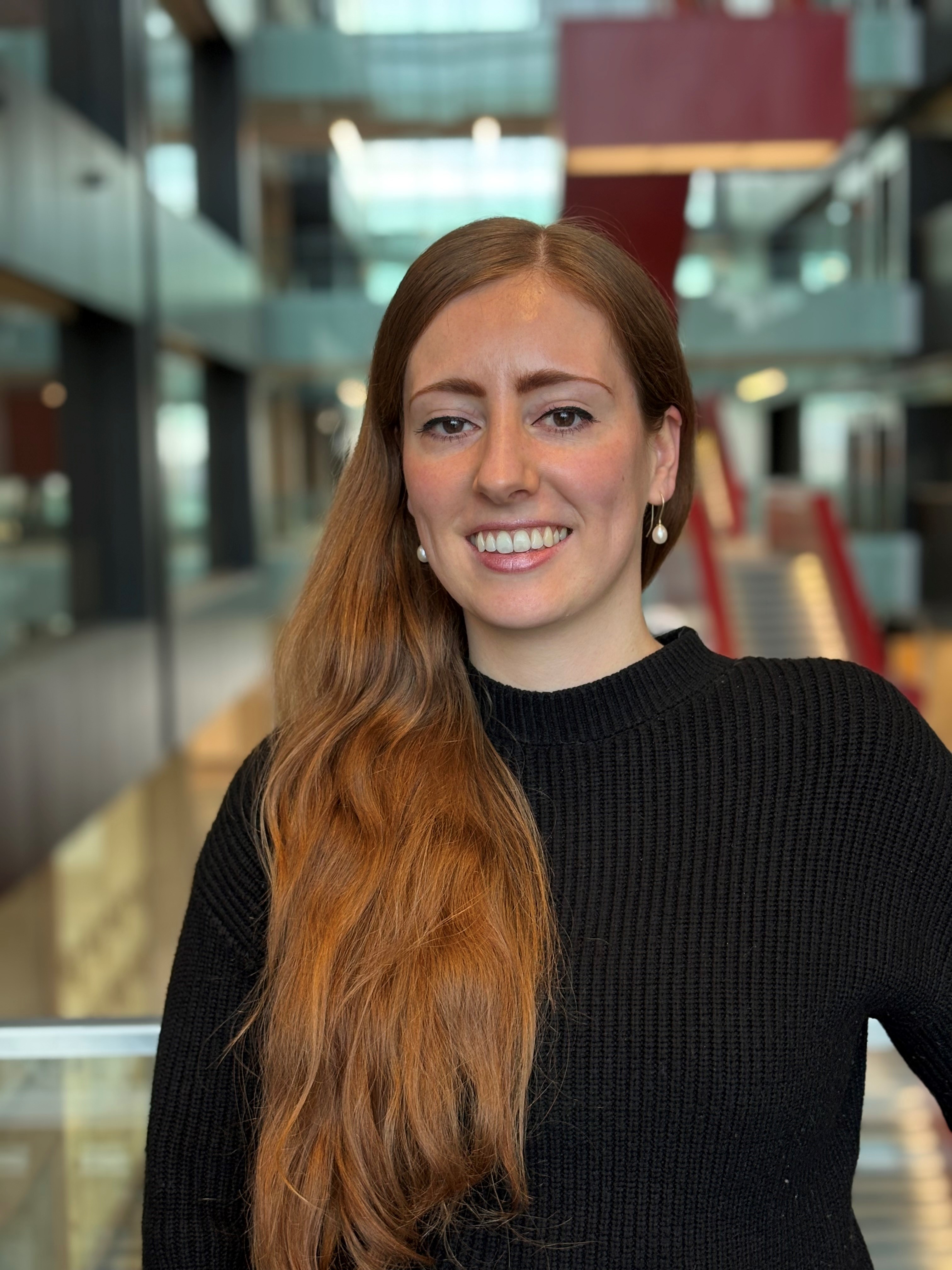
Dr. Maxime van der Heijden
Assistant Professor, Chemical Engineering, University of Waterloo
Dr. van der Heijden leads a research program at the intersection of porous media science and electrochemical engineering. Her work focuses on transport, reaction and multiphase phenomena in porous materials used in electrochemical devices such as redox flow batteries and water electrolyzers. Her group combines advanced imaging, image-based modelling, machine learning and additive manufacturing to characterize, design and fabricate next-generation porous electrodes. Her research covers pore-scale transport processes, computational approaches to porous material design, operando imaging and diagnostics of local transport and reaction in porous electrodes, and additively manufactured porous materials with tailored properties.
She received her PhD in Chemical Engineering and Chemistry from Eindhoven University of Technology in 2023, followed by a postdoctoral appointment there, and joined the University of Waterloo in 2025.
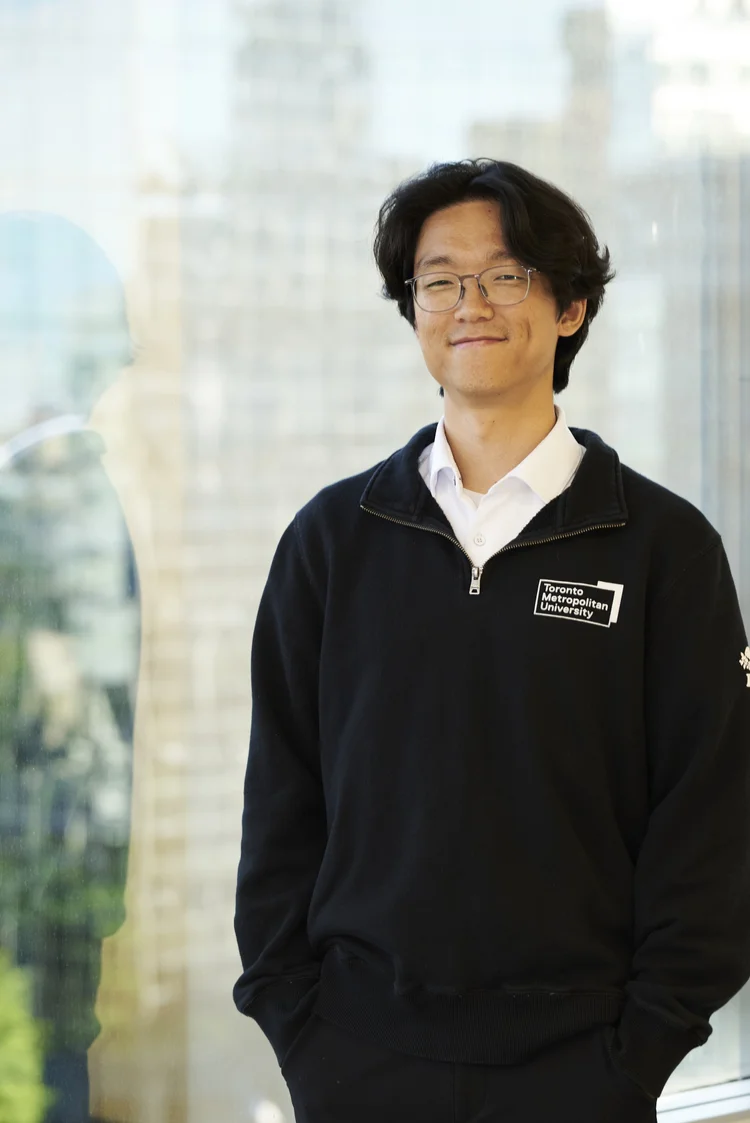
Dr. ChungHyuk Lee
Assistant Professor, Department of Chemical Engineering, Toronto Metropolitan University (TMU)
Dr. Lee is a licensed professional engineer (PEO). He completed his undergraduate studies in Chemical Engineering at McGill University and his PhD in Mechanical Engineering at the University of Toronto. Before joining TMU, he worked in government research agencies, as a postdoctoral fellow at Los Alamos National Laboratory and as a research associate at the National Research Council Canada. He serves on the editorial boards of Scientific Reports, InterPore Journal and Chem Circularity.
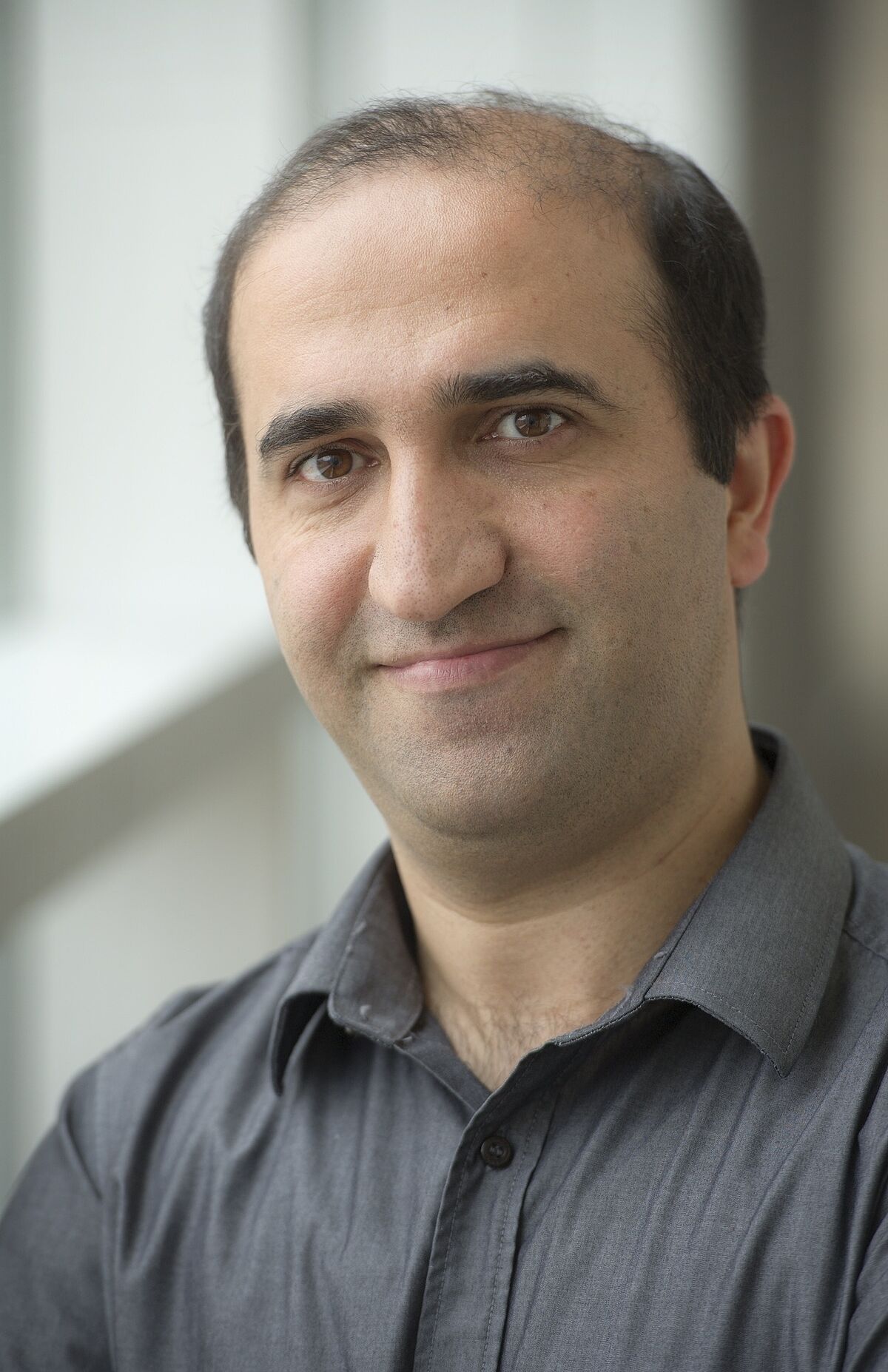
Dr. Fereidoun Rezanezhad
Research Professor, Department of Earth and Environmental Sciences, University of Waterloo
Dr. Rezanezhad is an expert in soil biogeochemistry. His research focuses on how the physical and structural properties of natural porous media, especially peat soils, wetlands and vadose zones, influence water flow, solute transport and biogeochemical reactive transport. His theoretical work on dual-porosity media in peat soils pioneered model representations of complex biogeochemical reaction-transport systems in peatlands. He has also advanced process-based understanding of winter soil processes, including the impacts of winter warming and soil freeze–thaw cycles on carbon cycling, the biogeochemical transformation of nutrients and contaminants, and microbial processes.